
How Sports News Shapes the Way Fans Watch, Talk, and Think About the Game
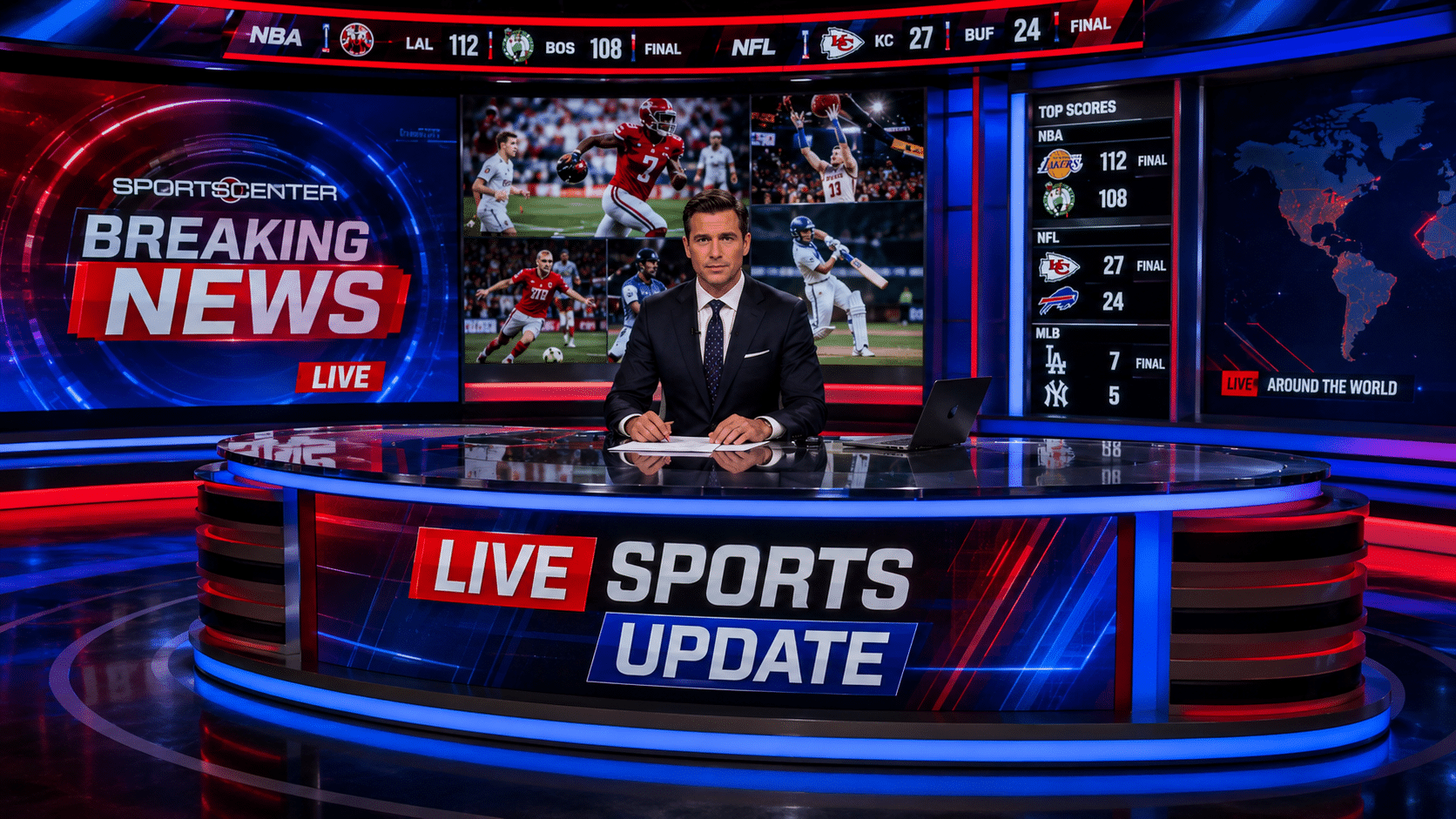
Sports have always brought people together. Whether it’s a packed stadium on a Sunday afternoon or a group of friends watching a match on a small TV, the love of competition runs deep. But one thing often goes unnoticed: how much sports news shapes the whole experience. It tells us who’s injured, who’s traded, and which team is on fire this season. Without it, fans would be watching in the dark.
This article breaks down how sports news works today, why it matters more than ever, and how you can get the most out of following it.
Why Sports News Matters More Than You Think
Most fans check scores first thing in the morning. That quick glance at the scoreboard is just the start. Sports news gives fans the full picture, including the story behind the numbers. Think about it this way. Knowing that a team won 3-1 is one thing. But learning that their star quarterback played through a knee injury, or that the coach made a bold call at halftime, adds real depth. That kind of context turns a score into a story.
Sports news also drives conversations. Whether you’re at work, at school, or at a family dinner, game results and player updates give people something to talk about. It builds community in a very real and everyday way.
How Sports Journalism Has Changed Over the Years
Not long ago, fans relied on newspapers and evening television broadcasts for sports updates. A game played on Saturday night might not appear in your local paper until Sunday morning. That was just how it worked. Today, everything moves faster. Digital platforms, social media, and 24-hour sports channels have changed the pace of how sports news gets delivered. Now you can read a post-game breakdown within minutes of the final whistle.

This speed has been great for fans, but it also puts pressure on journalists. They have to be accurate, quick, and engaging all at the same time. The best sports reporters manage to tell compelling stories without sacrificing the facts.
The Types of Sports News Fans Follow Most
Not all sports coverage looks the same. Fans follow different types of content depending on what they care about. Here’s a quick look at the main categories:
| Type of Coverage | What It Includes | Why Fans Love It |
|---|---|---|
| Breaking News | Trades, injuries, suspensions | Immediate and impactful |
| Game Recaps | Score breakdowns, key plays | Relives the action |
| Analysis and Opinion | Expert takes, predictions | Sparks debate |
| Transfer News | Player moves between teams | High drama and speculation |
| Interview Features | Player and coach conversations | Personal and behind-the-scenes |
| Stats and Rankings | League tables, performance data | Great for fantasy sports |
Each of these areas plays a role in how fans stay connected with the sports they love. A fan following fantasy football might care more about stats. A soccer fan in Europe might obsess over transfer window updates. There is no single way to be a sports fan, and the variety of sports news reflects that.
How Social Media Changed the Sports News Game
Social media turned every fan into a reporter. A player can post a workout video on Instagram and generate headlines within the hour. A coach’s brief comment after a loss can get picked up and analyzed across dozens of outlets before midnight. This has made sports news feel more personal. Fans now feel closer to athletes because they see real moments, not just polished press releases. That direct connection builds stronger loyalty between fans and the teams they follow.
But there’s a downside too. Rumors spread fast online, and not all of them are true. A tweet suggesting a star player might leave his team can send fans into a panic before any official word comes out. It’s always smart to wait for trusted sources before reacting.
What Makes a Good Sports Story?
Great sports journalism does more than report facts. It tells stories that make people care. The best sports stories usually have three things: a clear subject, a human element, and some kind of conflict or challenge. Take the story of an underdog team that beats a top-ranked opponent. The game result is one line. But the story behind it, the team’s struggles, the coach’s belief, the players who almost quit, that’s what people remember.
Good sports writers understand that fans want to feel something. Whether that’s excitement, disappointment, pride, or disbelief, emotion drives engagement. A well-written piece about a comeback victory can feel just as thrilling as watching it live.
The Rise of Podcasts and Video in Sports Reporting
Written articles still matter, but many fans now get their sports news through podcasts and video content. Sports podcasts have exploded in popularity over the last decade. Shows like ESPN’s “The Dan Le Batard Show” or “The Ringer” podcasts pull millions of listeners each week. Why do podcasts work so well for sports? They fit naturally into everyday routines. People listen while commuting, working out, or cooking dinner. A 30-minute podcast can break down an entire week of league action in a conversational, easy-to-follow format.
Video content has had a similar effect. Short-form highlight videos on platforms like YouTube and TikTok attract fans who might not read long articles but still want to stay current. These formats reach new audiences and keep existing fans engaged in different ways.
How to Spot Reliable Sports News Sources
With so much content out there, it can be hard to know what to trust. Not all sports outlets apply the same standards. Here are a few simple ways to check if a source is worth your time. First, look at whether the outlet names its sources. Phrases like “according to league insiders” with no further detail should raise a flag. Credible outlets back up their claims. Second, check the publication’s track record. Have their past reports proven accurate? Do they issue corrections when they get things wrong?
Third, notice how they handle rumor versus confirmed news. Good outlets clearly label speculation and separate it from verified reporting. That discipline shows professional care, and it helps you make better sense of what you read.
Why Local Sports Coverage Still Holds Value
National sports media covers the biggest leagues and the biggest names. But local sports coverage fills a gap that national outlets often miss. Your city’s minor league baseball team, your high school’s football championship run, your regional soccer club’s first promotion, these stories matter deeply to the communities that live them. Local sports journalists build relationships with teams and athletes that national reporters rarely have. That access often produces richer, more personal coverage. It also gives smaller athletes a platform they would not otherwise have.
If you want to stay connected to your community through sport, local sports news is where that connection lives. Many readers discover their lifelong favorite team through a local paper before national media ever takes notice.
Sports News and Its Role in Fan Mental Health
This might surprise you, but following sports news can actually affect how fans feel day to day. Research has shown that fans who follow their teams closely often tie their mood to results. A big win on the weekend can lift spirits heading into the work week. A painful loss can cast a cloud over Monday morning.That emotional investment is not a weakness. It’s what makes sports powerful. The key is keeping it in balance. Sports news is best enjoyed as something that adds to your life, not something that controls it.
Many sports media outlets have also started covering athlete mental health more seriously. Stories about players dealing with anxiety, burnout, or personal loss have helped reduce stigma. When athletes speak openly about their struggles, it gives fans permission to do the same.
Tips for Getting the Most Out of Sports News
Staying informed doesn’t have to feel like a job. A few simple habits can make following sports more enjoyable and less overwhelming.
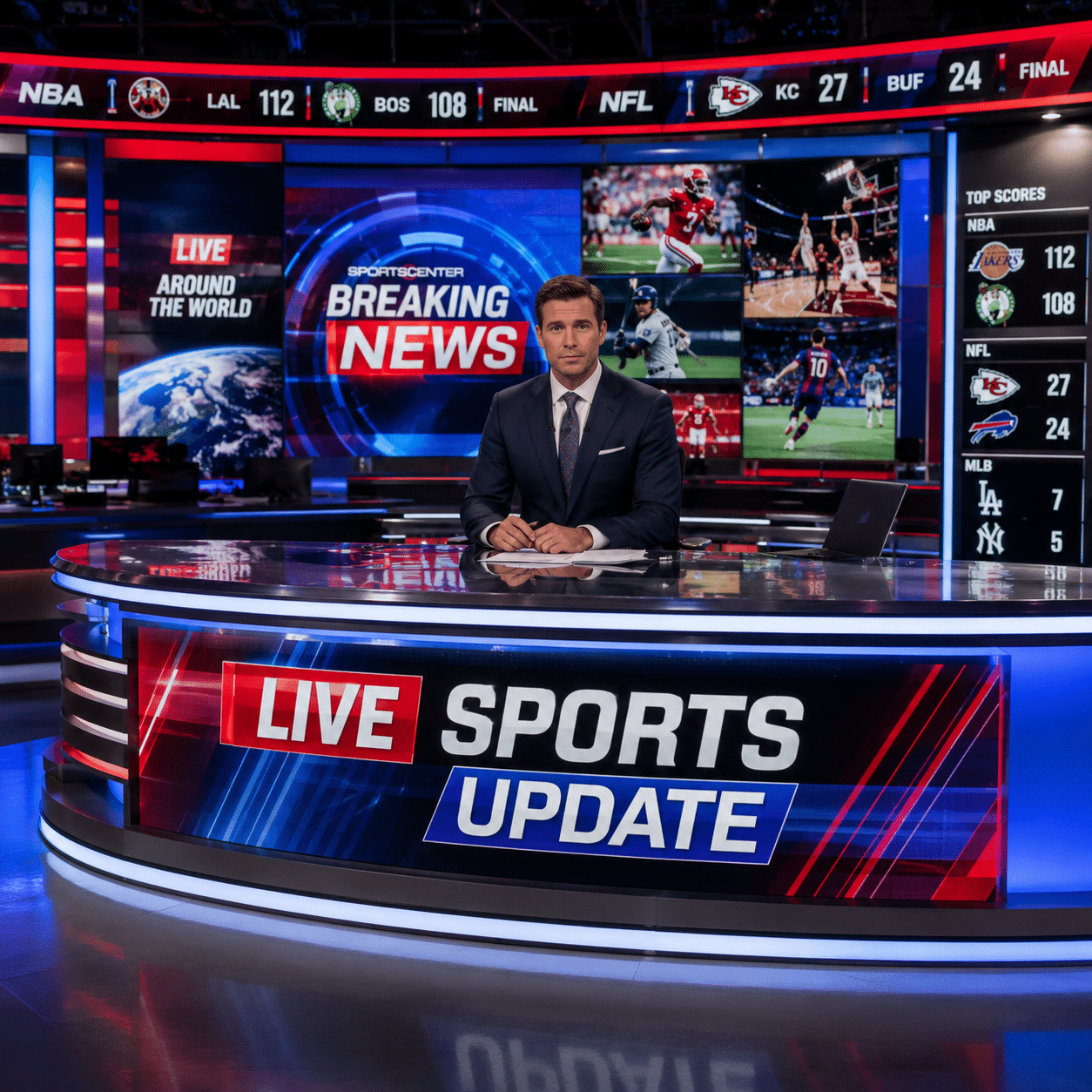
Pick two or three trusted sources and stick with them. Trying to follow everything everywhere leads to information overload fast. Choose outlets that match your interests and deliver content in formats you actually enjoy.
Use news aggregator apps. Tools like Google News or Apple News let you set up feeds around specific sports, leagues, or teams. Instead of hunting for stories, the stories come to you.
Engage with a sports community. Whether it’s a Reddit thread, a Discord group, or a local bar with a dedicated fan section, talking about sports news with others makes it more fun. The back-and-forth discussion is half the joy.
Don’t chase every rumor. Transfer windows and trade deadlines are exciting, but they also produce a lot of noise. Save your energy for confirmed news, and you’ll stress less and enjoy more.
The Future of Sports Coverage
Technology continues to change how fans receive sports news. Artificial intelligence tools now help newsrooms sort through vast amounts of data to spot trends faster. Some outlets already use automated writing for stats-heavy recaps of lower-profile games. But the human voice in sports journalism is not going away. Fans want analysis, opinion, and storytelling, and those things still require real human judgment. The reporters who understand this continue to build loyal audiences even as the media landscape shifts.
Live sports will always anchor coverage. As long as people care who wins and who loses, there will be demand for quick, clear, and honest reporting. The tools may change, but the core job stays the same.
Conclusion: Why Staying Connected to Sports News Enriches the Fan Experience
Sports are more than games. They reflect culture, community, and competition at their best. Sports news connects fans to that world in real time. It gives context to the scores, depth to the athletes, and stories that last long after the final whistle. Whether you follow the biggest leagues in the world or a local team you grew up cheering for, staying informed helps you appreciate the game at a deeper level. Good sports news does not just report what happened. It helps you understand why it matters.
So the next time you check your favorite sports news app in the morning, know that you’re doing more than just checking scores. You’re staying part of a conversation that millions of fans around the world are having right now. And that’s something worth being a part of.
Frequently Asked Questions About Sports News
What is sports news and why should I follow it?
Sports news covers everything happening in the world of athletics, from game results and player trades to injuries and team updates. Following it helps you stay connected to the sports you love and gives you the context behind every score and headline. It turns watching a game into a richer, more informed experience.
How often does sports news get updated?
Most major sports outlets update their content around the clock. Breaking stories like injuries or trades can appear within minutes of happening. If you follow a fast-moving sport like basketball or soccer during peak season, new stories can drop every hour throughout the day.
Where is the best place to get reliable sports news?
Established outlets like ESPN, BBC Sport, Sky Sports, and The Athletic have strong reputations for accuracy and depth. Local newspapers and regional sports blogs are also great for coverage of smaller teams and leagues. The key is choosing sources that clearly label rumors separately from confirmed reports.
Can I trust sports news on social media?
Social media can break stories fast, but it also spreads unverified rumors just as quickly. Always cross-check anything you see on Twitter or Instagram with a trusted outlet before reacting. If only one account is reporting something big, it’s worth waiting for confirmation.
Why do sports news stories sometimes turn out to be wrong?
Speed and competition push some outlets to publish before all the facts are confirmed. Transfer rumors, injury reports, and coaching changes are especially prone to early or inaccurate reporting. Good outlets correct mistakes publicly, which is one sign that they take accuracy seriously.
How does sports news affect fantasy sports?
Fantasy sports players rely heavily on sports news to make smart lineup decisions. Injury updates, rest days, and player form reports can make or break a fantasy team’s week. Many dedicated fantasy sports apps pull in real-time news feeds for exactly this reason.
What is the difference between sports news and sports analysis?
Sports news reports on events as they happen, such as scores, transfers, and press conference statements. Sports analysis goes deeper, explaining why something happened, what it means for a team’s season, or how a strategy played out. Both are valuable, and the best outlets offer a good mix of both.
Is local sports news worth reading if I follow big leagues?
Absolutely. Local sports coverage gives you stories and personalities you simply will not find in national media. Many top athletes got their first coverage from local reporters. Local news also connects you to your community in a way that following a distant superstar team often cannot.
How has technology changed the way sports news is reported?
Digital tools have made reporting faster, more visual, and more interactive. Reporters now use live blogs, short video clips, and real-time data dashboards to tell stories. Fans can watch press conferences live, follow stats as they update, and join discussions with other fans all in one place.
Should I limit how much sports news I consume?
If following sports news starts to affect your mood or stress levels, it is perfectly fine to step back. Checking in once or twice a day on your favorite team is enough for most fans. Sports are meant to add enjoyment to your life, so consume coverage at a pace that feels good for you.
Leave a Comment